
Maya Ruins in Cancun: Explore the Ancient Sites Around the City
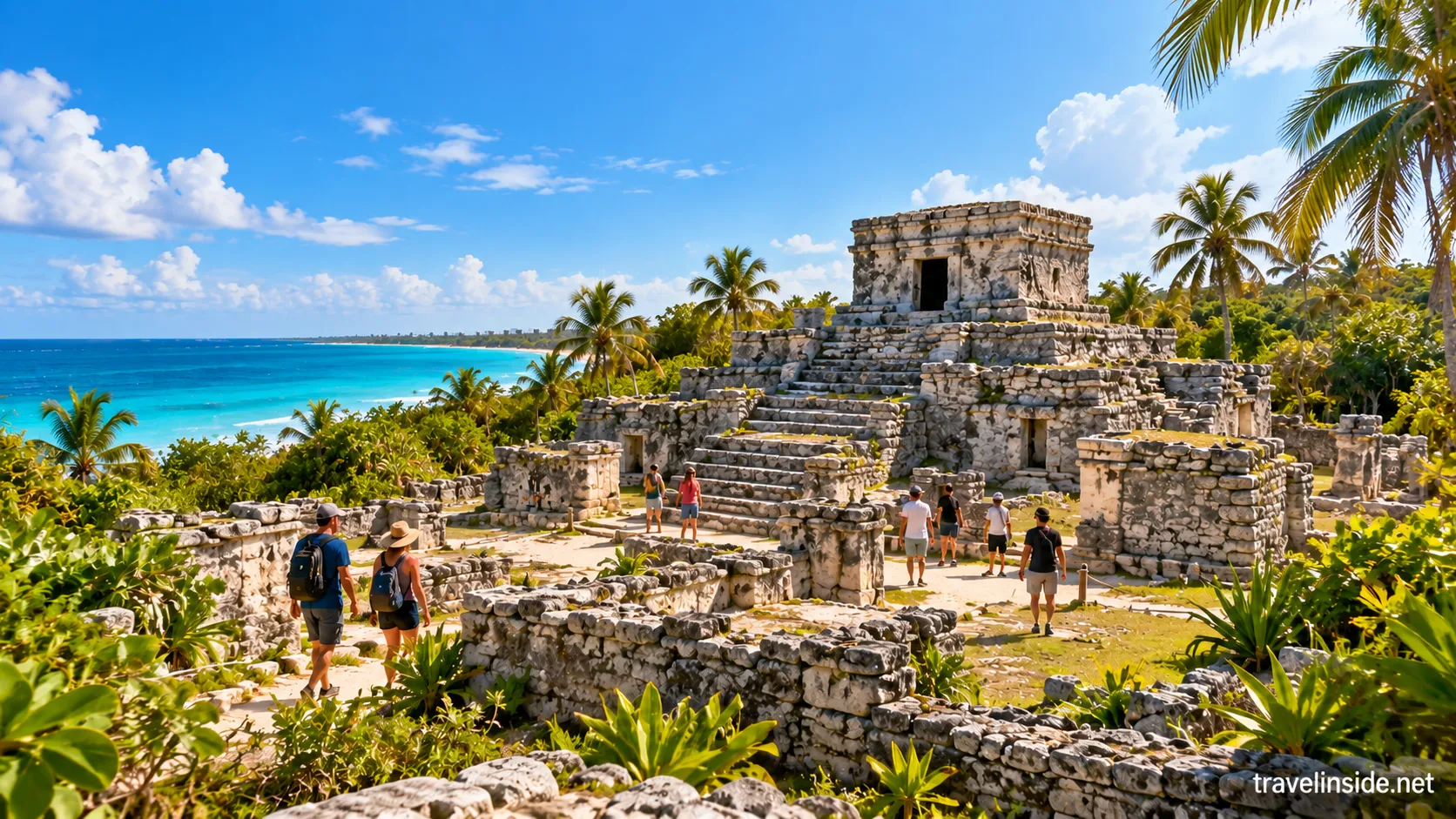
Cancun is famous for its beaches, resorts, nightlife, and turquoise Caribbean water, but there is another side of the city that is easy to miss. Long before modern Cancun was built, this part of the Yucatán Peninsula was home to Maya communities connected to trade, fishing, agriculture, and coastal life.
Today, you can explore several Mayan ruins in Cancun without traveling deep into the jungle. Some archaeological sites are actually inside or very close to the Hotel Zone, while others are only a short trip from the city.
For travelers who want to add some history to a Cancun vacation, three sites are especially useful to know: El Rey, San Miguelito, and El Meco.
1. El Rey Archaeological Site
El Rey is one of the easiest Maya sites to visit during a Cancun vacation because it is located directly in the Hotel Zone on Kukulcán Boulevard.
The site is about 10 kilometers south of downtown Cancun and sits at kilometer 18 of Boulevard Kukulcán. According to Mexico’s National Institute of Anthropology and History (INAH), El Rey became particularly important during the Late Postclassic period, when it developed as a coastal settlement connected to maritime trade.
The archaeological area contains two small plazas and several structures, including temples, palaces, platforms, and galleries with columns. Some structures still preserve traces of mural paintings.
One interesting detail is that the earliest discoveries at the site date back to around 300, when a small fishing community lived there. The site later developed into an important coastal settlement.
For a visitor staying in the Hotel Zone, El Rey is a practical choice because you can combine the ruins with other Cancun activities without spending an entire day traveling.
El Rey Visiting Information
According to the current INAH visitor information:
- Location: Boulevard Kukulcán Km 18
- Hours: Monday to Sunday, 8:00 a.m. to 5:00 p.m.
- Last entry: 4:30 p.m.
- Foreign visitor admission: MXN $145
- Facilities include parking and restrooms
Check the official INAH information before visiting because archaeological-site hours and admission fees can change.
2. San Miguelito Archaeological Site
San Miguelito gives you another opportunity to see Maya history without leaving Cancun’s Hotel Zone.
The archaeological site is located around kilometer 16.5 on Boulevard Kukulcán and is accessed through the Museo Maya de Cancún. INAH explains that San Miguelito was an important settlement on the eastern coast of the Yucatán Peninsula and was connected to activities such as fishing, agriculture, salt production, honey, copal, and cotton trading.
The site contains several groups of structures, including residential areas, public buildings, and a pyramid. One of its notable buildings is Palacio Chaak, which has large interior spaces and columns.
San Miguelito is particularly interesting when combined with the Maya Museum of Cancun. The museum contains archaeological pieces from Quintana Roo and other parts of the Maya region, including material connected with major sites such as Chichén Itzá and Palenque. Admission to the museum also includes access to the San Miguelito archaeological zone.
San Miguelito Visiting Information
Current INAH information lists:
- Location: Boulevard Kukulcán Km 16.5
- Hours: Tuesday to Sunday, 9:00 a.m. to 6:00 p.m.
- Last access to the archaeological zone: 4:30 p.m.
- Foreign visitor admission: MXN $210
- Museum admission is included
- Guided tours are available
The museum and archaeological zone are closed on Mondays, according to the current visitor information.
3. El Meco Archaeological Site
If you want to explore a Maya site outside the main Hotel Zone, consider El Meco.
El Meco is located along the Puerto Juárez–Punta Sam road, about 2.7 kilometers from Cancun’s Puerto Juárez area. Its coastal position appears to have been important to Maya maritime routes.
The site’s most recognizable structure is El Castillo, the tallest building in the archaeological zone. From its elevated position, visitors can see Cancun and the surrounding area.
INAH says El Meco was initially associated with a small fishing settlement and later became a more important coastal center. Its location near the bay of Isla Mujeres helped give it strategic importance for movement and trade along the coast.
El Meco Visiting Information
Current INAH information lists:
- Location: Puerto Juárez–Punta Sam Highway Km 2.7
- Hours: Monday to Sunday, 8:00 a.m. to 4:30 p.m.
- Last entry: 4:00 p.m.
- Foreign visitor admission: MXN $145
- Facilities include a snack bar, bookstore, and shop
Because El Meco is north of the main Hotel Zone, it can be a convenient addition to a day that includes Puerto Juárez or other northern Cancun activities.
El Rey vs. San Miguelito vs. El Meco
| Site | Location | Good For | Current Foreign Admission |
|---|---|---|---|
| El Rey | Hotel Zone, Km 18 | Easy ruins visit during a Cancun vacation | MXN $145 |
| San Miguelito | Hotel Zone, Km 16.5 | Ruins + Maya Museum | MXN $210 |
| El Meco | Near Puerto Juárez | Coastal history and a quieter archaeological visit | MXN $145 |
Admission prices and opening hours are based on current INAH visitor information and can change, so verify them before your trip.
Can You Visit Maya Ruins During a Cancun Vacation?
Yes. You do not have to dedicate an entire day to archaeological sites.
If your main goal is to see ancient Maya structures while keeping your Cancun itinerary flexible, El Rey and San Miguelito are particularly convenient because both are in the Hotel Zone.
A simple plan could look like this:
- Visit the Maya Museum and San Miguelito in the morning.
- Explore another part of the Hotel Zone afterward.
- Visit El Rey on another day or combine it with nearby activities.
- Choose El Meco if you are already planning to visit the Puerto Juárez area.
This makes it possible to experience a piece of Cancun’s ancient history without giving up your beach or resort time.
What About Tulum and Chichén Itzá?
You will often see Tulum ruins and Chichén Itzá included in searches for Mayan ruins near Cancun. They are important archaeological destinations, but they are not archaeological sites inside Cancun itself.
Tulum is farther south along the Riviera Maya, while Chichén Itzá requires a much longer journey into the Yucatán Peninsula.
If your goal is specifically to explore ruins in Cancun, focus on El Rey, San Miguelito, and El Meco. If you have an additional full day available, you can consider a separate archaeological day trip.
Tips for Visiting Cancun’s Maya Ruins
A little preparation can make the experience much more comfortable.
- Go earlier in the day. The Caribbean heat can become uncomfortable, especially when walking around open archaeological areas.
- Bring water. Check the individual site’s current rules before bringing food or drinks.
- Wear comfortable shoes. You may walk on uneven paths and archaeological grounds.
- Use sun protection. A hat, sunscreen, and lightweight clothing are useful in Cancun’s tropical climate.
- Check opening hours before leaving. Archaeological sites can have different schedules and admission policies.
- Respect the ruins. Do not climb structures unless the site specifically permits it, and follow posted instructions.
- Consider combining sites with a museum visit. The Maya Museum can provide useful historical context before or after exploring San Miguelito.
Why Explore Maya Ruins in Cancun?
Cancun’s modern image can make it easy to forget that the area has a much older history.
Visiting El Rey, San Miguelito, or El Meco adds another dimension to a Cancun trip. Instead of spending your entire vacation around beaches and resorts, you can see the remains of communities that lived along this coast centuries ago.
The best part is convenience. You do not necessarily need a long road trip to experience Maya archaeology. Some of the most accessible sites are right within the Cancun area.
For first-time visitors who want a mix of beaches, culture, history, and sightseeing, exploring the Maya ruins can be one of the easiest ways to see a different side of Cancun.


