
Visit Cancun’s Cenotes: Swim, Explore, and Cool Off
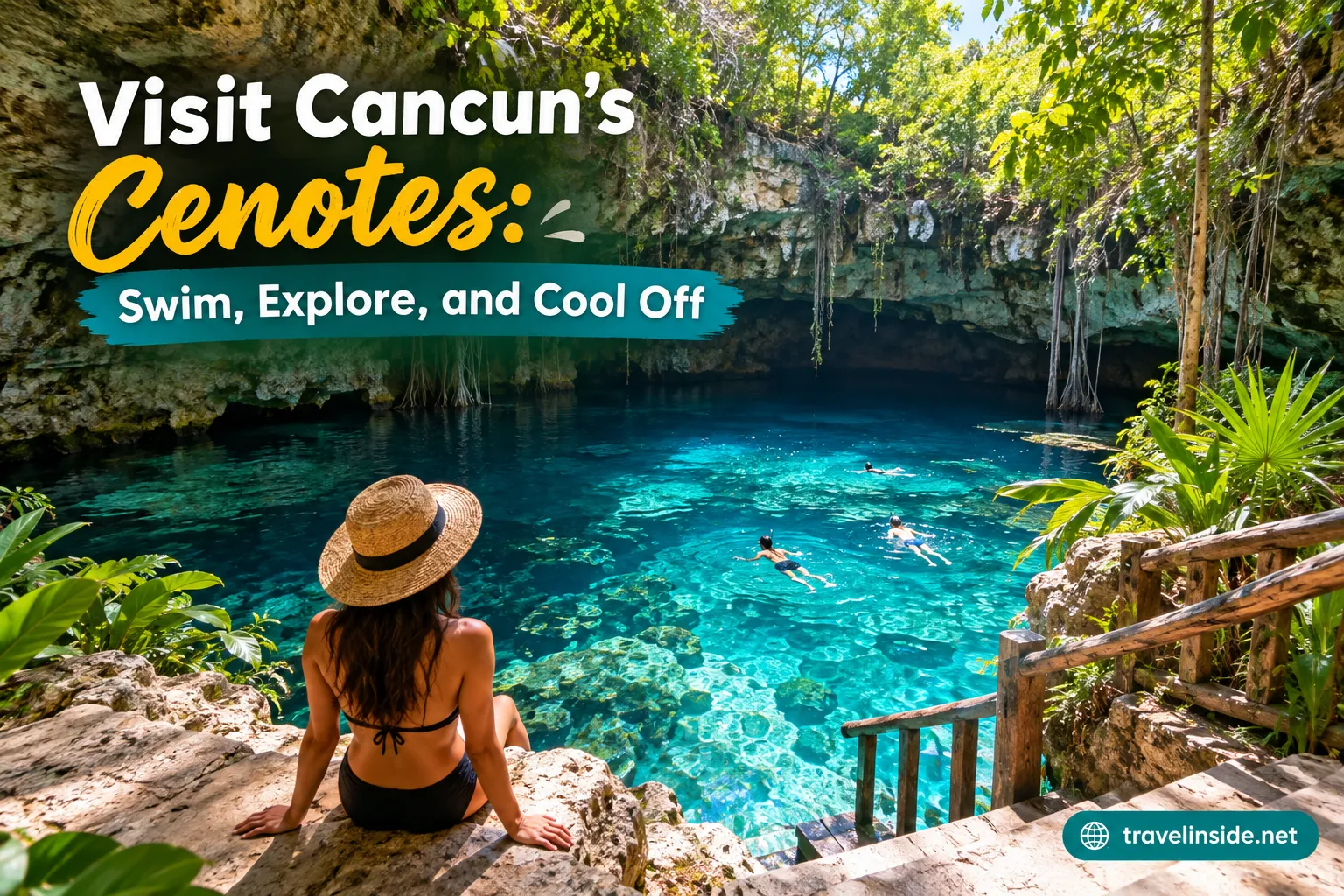
Cenotes Cancun offer a completely different experience from the city’s famous beaches and resorts. Instead of swimming in the Caribbean, you can cool off in crystal-clear freshwater surrounded by limestone formations, jungle, and underground caves.
For travelers looking to add something different to a Cancun itinerary, visiting a cenote is an excellent way to escape the heat while experiencing one of the Yucatán Peninsula’s most distinctive natural attractions.
From open-air swimming holes to dramatic underground caves, the cenotes around Cancun offer different experiences for swimming, snorkeling, exploring, and relaxing.
What Is a Cenote?
A cenote is a natural sinkhole or water-filled opening created when limestone collapses and exposes groundwater below the surface. The Yucatán Peninsula is particularly well known for its extensive network of underground water systems and cenotes.
These formations are more than just beautiful swimming holes. Cenotes are connected to the region’s geology, freshwater systems, archaeology, and Maya history.
The National Institute of Anthropology and History (INAH) notes that cenotes and flooded caves in the Yucatán Peninsula contain important archaeological evidence, including remains dating back thousands of years before the Maya civilization. Some cenotes were also important places within ancient Maya beliefs and practices.
Are There Cenotes in Cancun?
Yes. Cancun itself has cenotes, although many of the better-known visitor experiences are located outside the main Hotel Zone, particularly toward Puerto Morelos and along the Ruta de los Cenotes.
The municipality of Benito Juárez, which includes Cancun, has identified numerous cenotes and freshwater bodies within the city. In 2026, the municipal government reported that more than 60 cenotes had been identified in Cancun, while a number of them receive ongoing environmental maintenance through the city’s Cenotes Urbanos program.
For visitors, this means you do not have to travel deep into the Yucatán Peninsula to experience a cenote. However, the largest selection of organized cenote experiences is found outside central Cancun.
Best Cenotes Near Cancun
If your goal is to swim and explore rather than simply see a cenote from a distance, consider looking beyond the city center. Puerto Morelos and the Ruta de los Cenotes are particularly convenient areas for Cancun visitors.
Cenotes Zapote Prehistoric Park
Cenotes Zapote Prehistoric Park is located along the Ruta de los Cenotes near Puerto Morelos. The park features several cenotes, including open and underground environments, and offers activities such as snorkeling, swimming, ziplining, and other adventure experiences.
The park describes its experience as including access to multiple cenotes, with some tours visiting two open cenotes and an underground cenote. The complete tour can take approximately three to four hours, depending on the option selected.
Its location makes it an option for travelers who want to combine swimming in cenotes with a more organized adventure experience.
Location: Ruta de los Cenotes, Puerto Morelos
Good for: Swimming, snorkeling, families, and adventure activities
Cenote Kin-Ha
Cenote Kin-Ha is another option along the Ruta de los Cenotes near Puerto Morelos. The site features two cenotes and offers activities including snorkeling, ATV tours, ziplining, and guided experiences.
Its operators describe Kin-Ha as being around 30 minutes from Cancun, although the actual journey time depends on traffic, your starting point, and road conditions.
The combination of a cave cenote and an open natural water area makes Kin-Ha appealing to travelers who want more than just a swimming stop.
Location: Ruta de los Cenotes, Puerto Morelos
Good for: Snorkeling, adventure activities, and small-group experiences
Dos Ojos
Dos Ojos is one of the best-known cenote systems in Quintana Roo, although it is much farther from Cancun than the cenotes around Puerto Morelos.
The name means “Two Eyes,” referring to two connected water-filled openings. The site is known for exceptionally clear freshwater, limestone formations, and underwater cave environments.
Dos Ojos is particularly associated with snorkeling and diving. Some cavern routes are restricted to appropriately qualified divers, so visitors should choose activities according to their experience and the site’s current rules.
Location: Riviera Maya, between Playa del Carmen and Tulum
Good for: Snorkeling, freediving, and certified cavern diving
Cenotes in Cancun vs. Cenotes Near Cancun
One important distinction is worth making when planning your trip. The phrase “cenotes in Cancun” can refer to cenotes within the Cancun area, while many travel guides use it more broadly to describe cenotes that can be visited from Cancun.
| Option | What to Expect | Best For |
|---|---|---|
| Cenotes in Cancun | Closer to the city and easier to combine with a normal Cancun itinerary | Short visits |
| Ruta de los Cenotes | Multiple cenote parks and natural swimming locations near Puerto Morelos | Full-day or half-day adventures |
| Riviera Maya cenotes | Larger cave systems and famous snorkeling and diving locations | Adventure-focused travelers |
What Is It Like to Swim in a Cenote?
Swimming in a cenote feels very different from swimming at a Cancun beach.
Instead of waves and saltwater, you are surrounded by freshwater, limestone, vegetation, or cave walls. Open cenotes can feel like natural jungle swimming pools, while underground cenotes can have a darker and more enclosed atmosphere.
The water is generally clear, and some cenotes have underwater rock formations that can be seen while snorkeling.
If you are not a confident swimmer, choose a cenote with easy water access and follow the safety instructions provided by the site. Life jackets may be required at some locations.
Can You Visit a Cenote as a Day Trip From Cancun?
Yes. A cenote visit can easily be incorporated into a Cancun vacation, particularly if you choose a site around Puerto Morelos and the Ruta de los Cenotes.
For a short visit, you can choose a single cenote experience and return to Cancun afterward. If you want to visit multiple cenotes or combine swimming with activities such as ziplining or ATV riding, plan for several hours.
Travel time varies depending on the cenote, traffic, and whether you use a rental car, taxi, private transfer, or organized tour.
Best Time to Visit Cancun Cenotes
Cenotes can be visited throughout the year, but the experience can vary depending on weather and crowds.
For a more comfortable visit, start earlier in the day. Morning visits can also help you avoid some of the heavier visitor traffic at popular sites.
Always check the weather and the operating status of the specific cenote before traveling, particularly during periods of heavy rain or tropical weather.
What to Bring to a Cancun Cenote
A little preparation can make your cenote visit much easier.
- Swimsuit
- Quick-drying towel
- Water
- Sun protection
- Water shoes or comfortable sandals
- Dry clothes for the journey back
- Waterproof phone case or camera equipment
- Cash or a payment method accepted by the specific site
Before using sunscreen or other personal-care products, check the rules of the cenote you plan to visit. Some locations have environmental requirements designed to protect the freshwater ecosystem.
Cenote Safety Tips
Cenotes are natural environments, so they should be treated differently from a hotel swimming pool.
- Follow all posted rules and instructions from staff or guides.
- Do not enter restricted cave or diving areas.
- Wear a life jacket when required.
- Do not dive into unfamiliar water.
- Stay within designated swimming areas.
- Be careful on wet rocks and stairs.
- Keep food and trash away from the water.
- Respect wildlife and natural formations.
Some cenotes contain caves and underwater passages that require specialized training or a certified guide. Do not attempt technical cave diving simply because a passage appears accessible.
Why Cenotes Are Important to the Maya World
Cenotes are closely connected with the history and culture of the Yucatán Peninsula.
Because the peninsula has a porous limestone landscape, cenotes historically provided important sources of freshwater. They also became significant places within Maya religious beliefs.
INAH research has documented archaeological evidence from cenotes and submerged caves in Quintana Roo, including human remains and evidence associated with people who lived in the region thousands of years ago.
For that reason, visiting a cenote is not simply a swimming activity. It can also offer a glimpse into the natural environment that shaped life in the Yucatán Peninsula for thousands of years.
Should You Visit a Cenote on Your Cancun Trip?
If you have several days in Cancun, a cenote visit is an easy way to experience a completely different side of the region.
The beaches show you the Caribbean coast, while a cenote takes you inland into the limestone landscape beneath the Yucatán Peninsula. Depending on the location you choose, you can swim in clear freshwater, snorkel around limestone formations, explore a cave, or combine the experience with other outdoor activities.
For travelers who want a convenient option, look toward Puerto Morelos and the Ruta de los Cenotes. If you are interested in more extensive cave and diving experiences, the cenotes farther south toward the Riviera Maya provide additional choices.
Conclusion
The cenotes in Cancun and the surrounding Riviera Maya are one of the easiest ways to add nature and adventure to a Cancun vacation.
Whether you choose a cenote close to the city or travel toward Puerto Morelos for a dedicated cenote experience, you will find a landscape very different from Cancun’s famous beaches.
Plan your visit around the location, activities, and swimming experience you want. Most importantly, treat these freshwater ecosystems with care. Cenotes are not only beautiful places to swim; they are part of the Yucatán Peninsula’s natural, cultural, and archaeological heritage.


